Resurrecting an ancient library from the ashes of a volcano.
Buried in 79 AD, now being revealed.
Vesuvius Challenge is an open science research organization reading the carbonized Herculaneum scrolls without unrolling them. Anyone can help: we run a $2M competition, with prizes every month.
Open problems & prizes
All prizes and rules
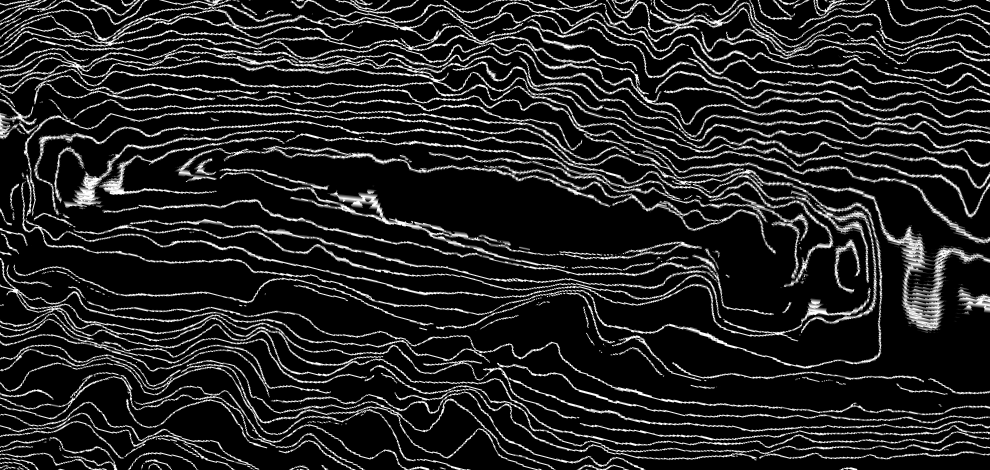
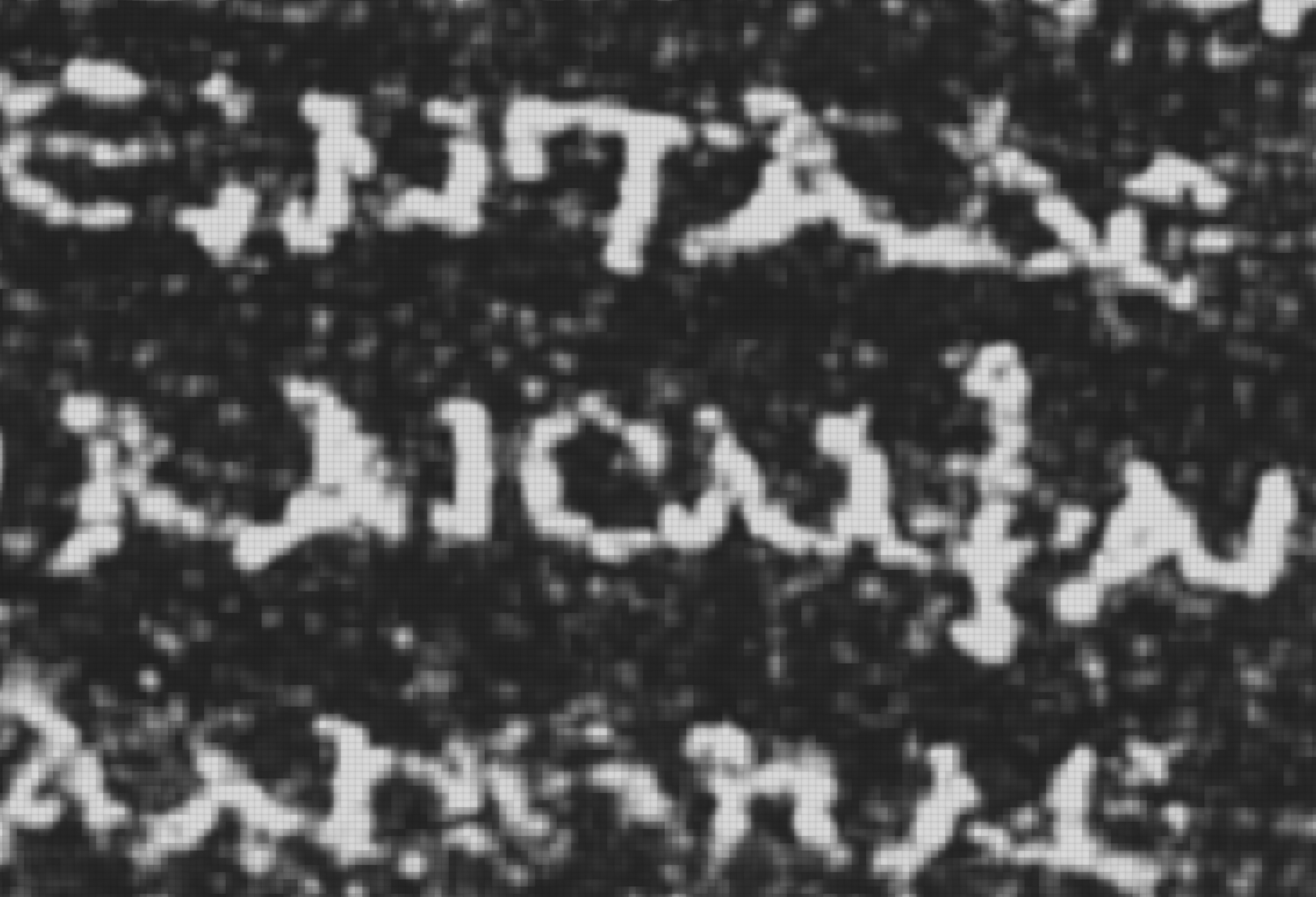
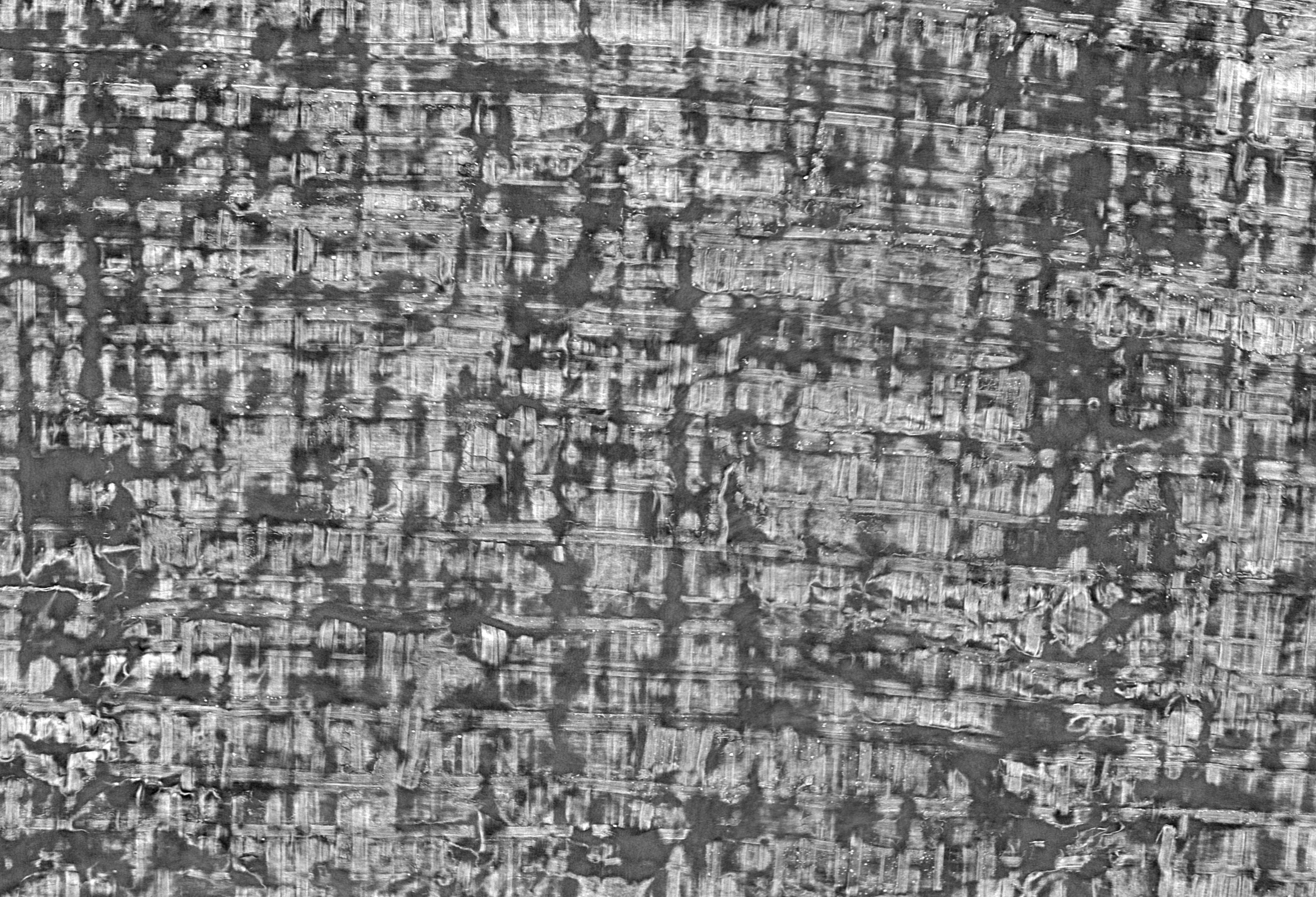
Our story
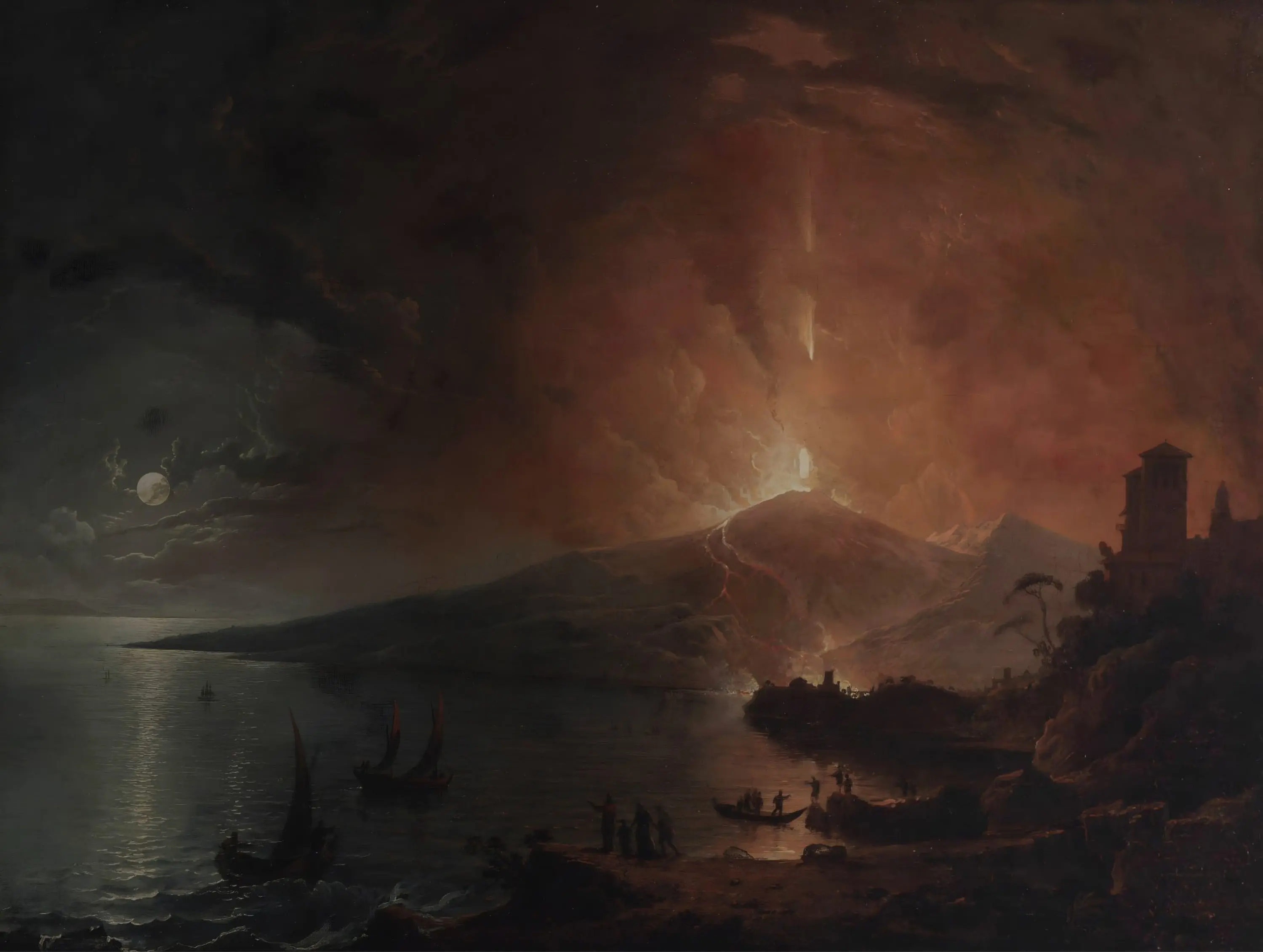
All milestonesVesuvius erupts, burying a villa and its library of papyrus scrolls under twenty meters of ash.
The scrolls are carbonized by the heat, but also preserved. For centuries, as almost every other ancient text decays, the library of the Villa of the Papyri waits underground, intact.
Team
Created by
Nat FriedmanInstigator, Director & Founding Sponsor
Daniel GrossFounding Sponsor
Brent SealesPrincipal Advisor
Technical Team
Sean JohnsonResearch Scientist
Hendrik SchillingResearch Scientist
Elian Rafael Dal PráResearch Assistant
Johannes RudolphPlatform Engineer
Papyrology Team
Federica NicolardiAssociate Professor, University of Naples Federico II
Marzia D'AngeloPostdoctoral Fellow, University of Naples Federico II
Kilian FleischerResearch Director and Papyrologist, University of Tübingen
Alessia LavorantePostdoctoral Fellow, University of Naples Federico II
Michael McOskerResearcher, University of Oxford
Maria Chiara RobustelliPostdoctoral Fellow, University of Naples Federico II
Claudio VergaraPostdoctoral Fellow, University of Naples Federico II
Rossella VillaResearch Assistant, University of Salerno
Annotation Team
David JoseyTeam Lead
Kendra BrownAnnotation Specialist
Laura TrojakAnnotation Specialist
JP PosmaProject Lead
Stephen ParsonsProject Lead
Giorgio AngelottiProject & Tech Team Lead
Youssef NaderMachine Learning Researcher
Ben KylesSegmentation Team Lead
Julian SchilligerSoftware Engineer
Forrest McDonaldSoftware Engineer
Adrionna FeyAnnotation Specialist
Cooper MillerAnnotation Specialist
Eric ThvedtAnnotation Specialist
Konrad RosenbergAnnotation Specialist
Raymond GasperAnnotation Specialist
Sarah MorejohnAnnotation Specialist
Sergei PnevAnnotation Specialist
TechjaysAnnotation Services
Daniel HavířMachine Learning
Ian JanickiDesign
Chris FrangionePrizes
Garrett RyanClassics
Dejan Gotić3D Animator
Jonny Hyman2D Animator
Daniel DelattreEmeritus Research Director and Papyrologist, CNRS and IRHT
Gianluca Del MastroProfessor of Papyrology, l'Università della Campania «L. Vanvitelli»
Robert FowlerFellow of the British Academy; Professor Emeritus of Classics, Bristol University
Richard JankoFellow of the American Academy of Arts and Sciences; Professor of Classics, University of Michigan
Tobias ReinhardtCorpus Christi Professor of the Latin Language and Literature, Oxford
Brent SealesPrincipal Investigator, Professor of Computer Science
Seth ParkerAssistant Research Professor
Christy ChapmanResearch & Partnership Manager
Mami HayashidaResearch Staff
James BrusuelasAssociate Professor of Classics
Beth LutinCollege Business Analyst
Roger MacfarlaneProfessor of Classical Studies
Sponsors
Make a donation Nat Friedman$2,750,000
 Musk Foundation$2,084,000
 Alex Gerko$450,000
 Joseph Jacks$250,000
 Daniel Gross$225,000
 Matt Mullenweg$150,000
 John & Patrick Collison$125,000Emergent Ventures$100,000
 Eugene Jhong$100,000
 Julia DeWahl & Dan Romero$100,000
 Anonymous$100,000
 Bastian Lehmann$75,000
 Tobi Lutke$75,000
 Arthur Breitman$50,000
 Guillermo Rauch$50,000
 Matt Huang$50,000Anonymous$50,000Anonymous$50,000
 Aaron Levie$25,000
 Akshay Kothari$25,000
 Alexa McLain$25,000
 Anjney Midha$25,000
 franciscosan.org$25,000
 John O'Brien$25,000
 Mark Cummins$25,000
 Jamie Cox & Gary Wu$15,000
 Mike Mignano$15,000
 Aravind Srinivas$10,000
 Brandon Reeves$10,000
 Brandon Silverman$10,000
 Chet Corcos$10,000
 Ivan Zhao$10,000
 Katsuya Noguchi$10,000
 Matias Nisenson$10,000
 Maya & Taylor Blau$10,000
 Mikhail Parakhin$10,000
 Neil Parikh$10,000
 Raymond Russell$10,000
 Sahil Chaudhary$10,000
 Shariq Hashme$10,000
 Stephanie Sher$10,000
 Vignan Velivela$10,000
 Alex Petkas$5,000
 Amjad Masad$5,000
 Conor White-Sullivan$5,000
 Will Fitzgerald$5,000
Partners


